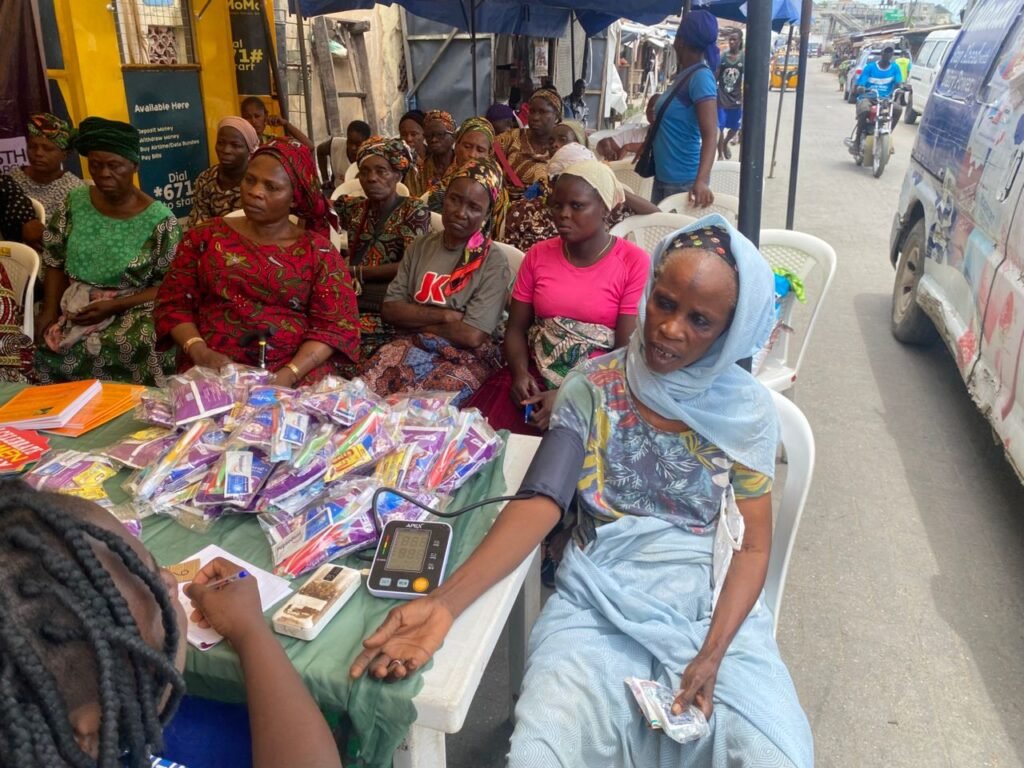
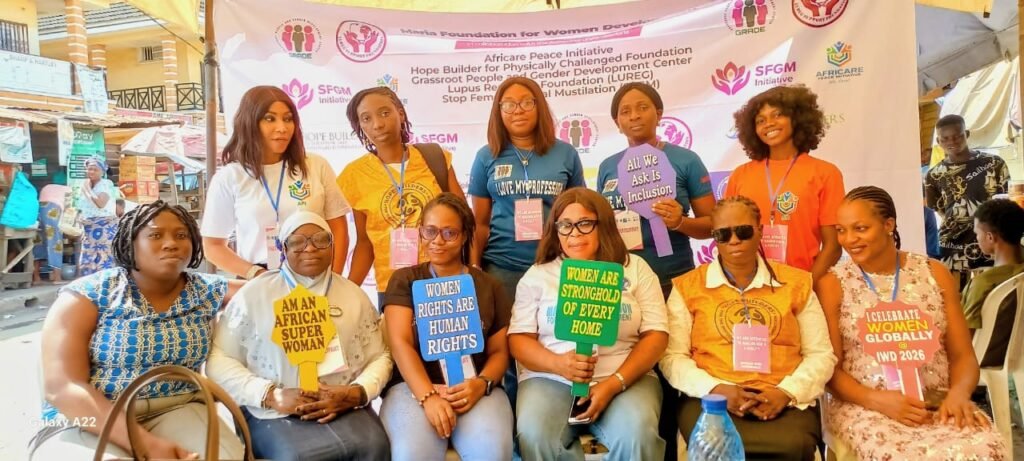
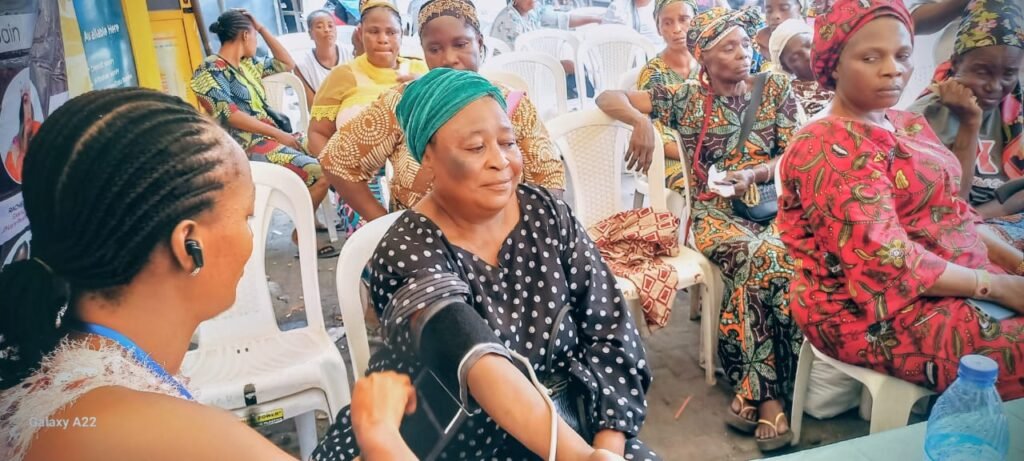
Hypertension (high blood pressure) is a leading risk factor for cardiovascular diseases, including stroke and heart disease, which are among the top causes of death globally. Despite its preventable and manageable nature, hypertension remains a silent and poorly controlled condition, particularly among elderly women in underserved communities. Recent community outreach activities conducted by Grassroot People and Gender Development Center (GRADE) during the Healthy Ageing Fiesta in Igando LCDA, Lagos State (December) and a follow-up outreach during the International women’s Day Celebration at Makoko revealed a troubling pattern – a significant number of elderly women are living with uncontrolled or undiagnosed hypertension, placing them at high risk of severe health complications and premature death.
This position paper highlights the urgency of this issue and calls for targeted, community-based interventions.
Problem Statement
Findings from recent community engagements indicate that:
- A significant proportion of elderly women screened had elevated blood pressure levels
- Many were unaware of their hypertensive status
- Several were not on consistent medication or treatment plans
Common symptoms reported included:
- Persistent headaches
- Dizziness
- Fatigue
- Stress and emotional distress
These findings point to a systemic gap in preventive healthcare and chronic disease management for elderly women at the grassroots level.
Hypertension is often referred to as a “silent killer” because it progresses without obvious symptoms until serious complications arise. Among elderly women who often face compounded challenges of poverty, gender inequality, and limited access to care, this risk is significantly heightened.
Key Drivers of the Crisis
The high burden of uncontrolled hypertension among elderly women can be attributed to interconnected factors:
1. Limited Access to Healthcare Services – Many elderly women lack regular access to primary healthcare facilities for routine screening and follow-up care.
2. Economic Constraints – The cost of medical consultations, diagnostic tests, and long-term medication makes consistent treatment unaffordable.
3. Low Health Awareness – There is limited knowledge about hypertension, its risks, and the importance of adherence to treatment and lifestyle modifications
4. Social Isolation and Emotional Stress – Loneliness, neglect, and lack of social support contribute to stress, which can worsen blood pressure levels and overall health outcomes.
Why This Matters
Failure to address hypertension among elderly women has far-reaching implications:
- Increased incidence of stroke, heart failure, and kidney disease
- Rising healthcare costs for families and communities
- Reduced quality of life and productivity
- Increased dependency and vulnerability among ageing populations
Addressing this issue is critical to achieving:
- Healthy ageing outcomes
- Gender-responsive healthcare
- Universal Health Coverage (UHC) goals
Proposed Solutions
To effectively tackle this growing public health concern, there is a need for community-driven, sustainable interventions:
1. Community-Based Screening and Monitoring Regular blood pressure checks through outreach programs Mobile health services targeting underserved areas
2. Health Education and Awareness Simplified, culturally appropriate education on: Diet (reduced salt intake) Physical activity Medication adherence Stress management
3. Affordable Treatment Support Partnerships with primary healthcare centers and pharmacies Subsidized or donor-supported access to essential hypertension medications
4. Establishment of Elderly Women Support Groups Creation of “Wellness Circles” for peer support Platforms for emotional well-being, shared learning, and social connection
5. Capacity Building for Community Health Volunteers Training local volunteers to:
- Conduct basic screenings
- Provide health education
- Support follow-up and referrals
Call to Action
There is an urgent need for government agencies, donors, healthcare providers, and development partners to prioritize the health needs of elderly women within community settings. Investing in preventive and community-based hypertension programs will: Save lives, Reduce long-term healthcare costs, Promote dignity and well-being among ageing populations. The evidence from grassroots outreach clearly shows that early detection and consistent support can make a life-saving difference.
Conclusion
Hypertension among elderly women is a silent crisis hiding in plain sight. Without deliberate and targeted interventions, many will continue to suffer avoidable complications. Now is the time to act by strengthening community systems, improving access to care, and ensuring that elderly women are not left behind in health and development efforts.
Leave a Reply