
For over a decade, one belief has anchored every project, every workshop, and every community conversation at Grassroot People and Gender Development Center (GRADE): every woman, girl, and marginalized person has the right to live free from violence, discrimination, and exclusion and to have a real say in the shape of her own life.
Since our founding in 2010, that belief has grown into a body of work spanning health, leadership, and economic dignity — reaching over 3,500 women and 4,000 girls and youth across 14+ communities. This is the story of that work, told through the people who lived it.
Why GEWGE, Why Now
Gender inequality doesn’t announce itself in a single dramatic moment. It shows up in an elderly woman who has never had her blood pressure checked. In a girl who has never been told her voice matters in a room full of adults. In a mother who cannot buy a full bag of rice because there is no structure to save the little, she earns. GRADE’s Gender Equality, Women and Girls Empowerment work exists to meet inequality exactly where it lives — in daily, unglamorous, solvable problems — and to solve them alongside the women and girls affected, not for them.
Building Women’s Economic Power, One Contribution at a Time
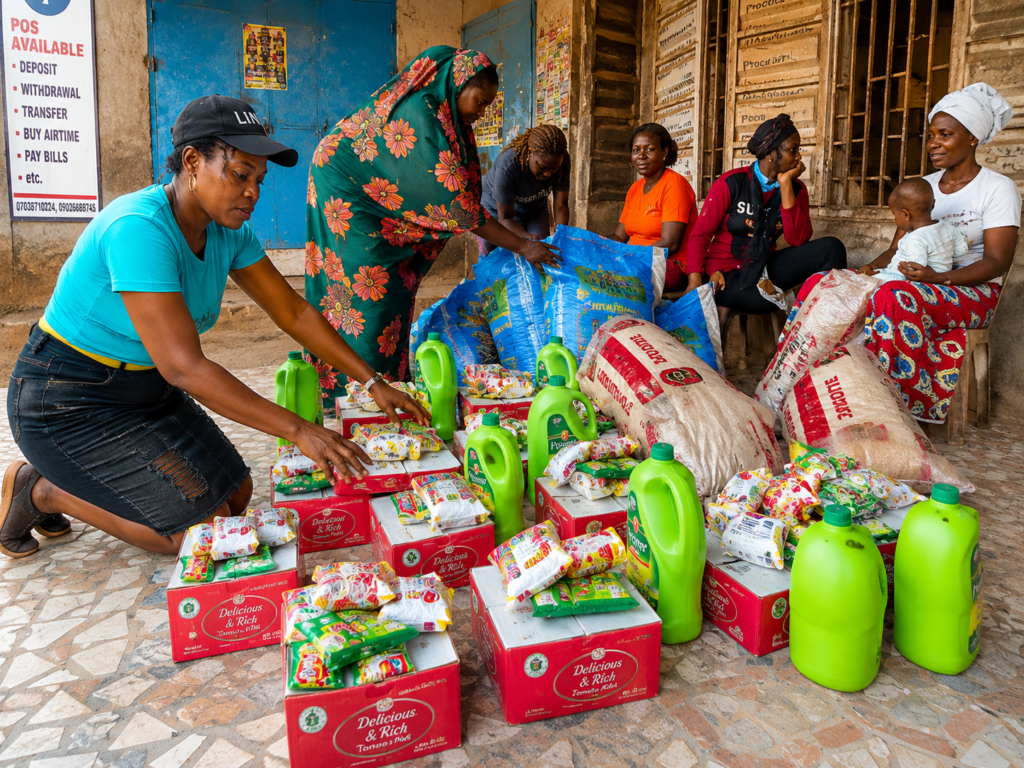
In 2024, GRADE launched “Put Food on the Table Project” with nine women to pooled small daily contribution of ₦500 into a shared structure dedicated entirely to buying food for their families. The results went beyond groceries. Women who had never had access to structured savings mechanisms built financial discipline, solidarity, and a renewed sense of agency over their households’ wellbeing.
In January 2026, 60 women enrolled voluntarily to the project by saving daily to achieve food security and build economic empowerment. Some of their testimonies are –
“I feel proud knowing that my small daily contribution helps me and my fellow women provide food for our families. It has taught me the value of saving and working together.”— Mummy Chisom
“This is the first time I am buying a bag of rice for my family. My husband is very happy and I am so happy.”— Mummy Faith
It is a small model with a big lesson: economic empowerment doesn’t always require large capital — sometimes it requires structure, trust, and community.
Giving Girls Their Voice and Their Skills
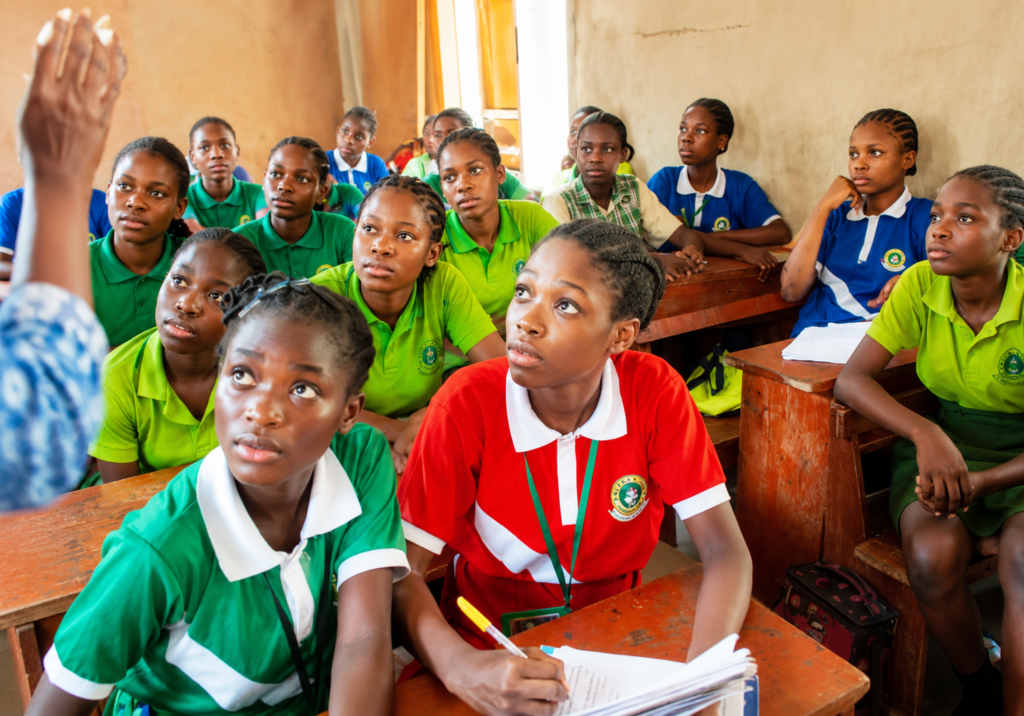
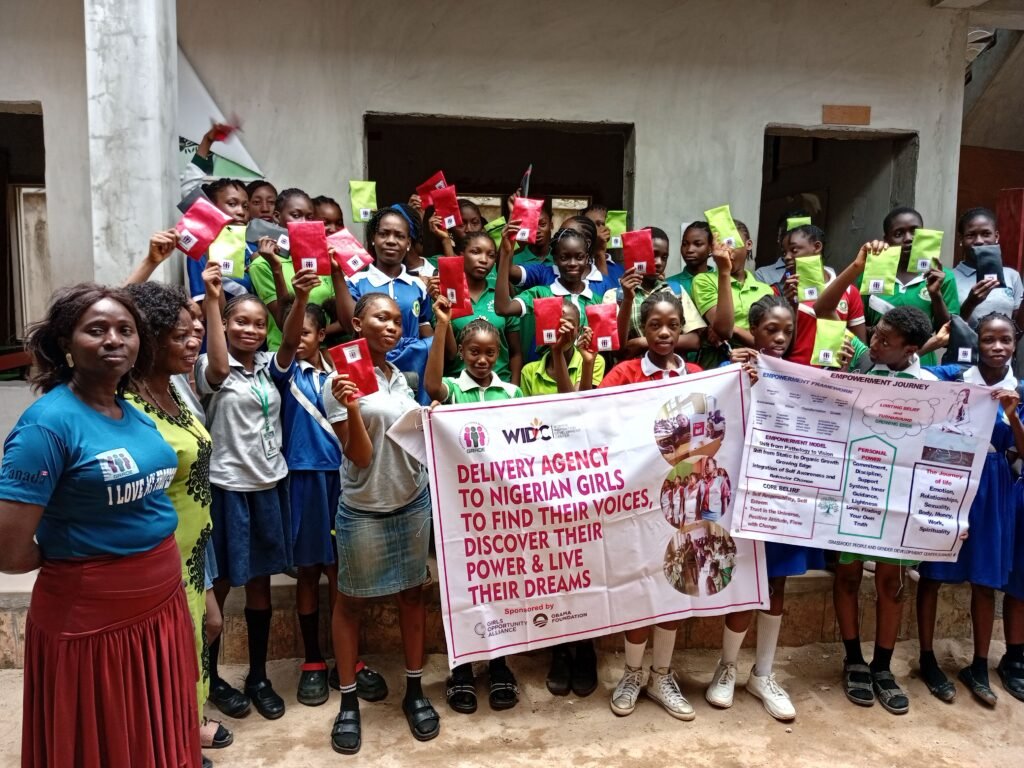
Nowhere is GRADE’s impact more visible in raw numbers than in girls’ leadership. Through the “Agency Development and Leadership Certification Program”, 230 in-school girls across Igando-Ikotun and surrounding communities received structured training in confidence, communication, advocacy, and GBV prevention. Four Focus Group Discussions surfaced the real challenges girls face — and four graduates were certified as peer trainers, ensuring the program’s impact multiplies beyond GRADE’s own staff.
That momentum carried into the 2024 “International Day of the Girl Child” celebration, where 250 girls from multiple schools came together to mark their own potential.
“The training has taught me how to say no to unpleasant requests and to be a good leader to other girls. — Esther Abah, programme participant
This is what empowerment looks like in practice: not a single workshop, but a pipeline — training girls, then equipping some of them to train others.
Caring for the Women Society Often Forgets
While much of the development sector focuses on youth, GRADE has built a distinctive and deeply needed niche: the health and dignity of “elderly women”.
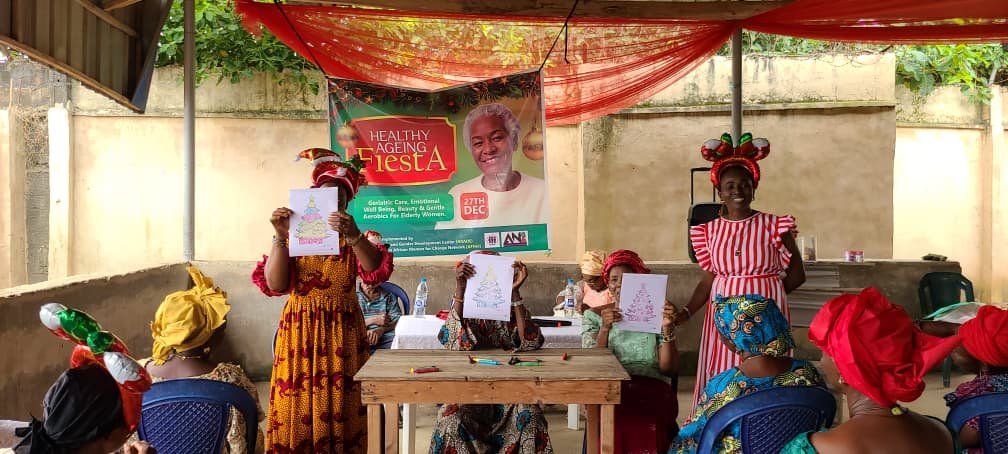
In December 2025, the “Healthy Ageing Fiesta” brought 35 elderly women (and one man, the oldest 88 years old) together in Igando-Ikotun for a day combining health education, gentle aerobics, beauty and self-care, and — perhaps most powerfully — a colouring and expression activity that helped participants process painful memories and find renewed peace.
Five months later, marking International Women’s Day 2026, GRADE returned to this work with a “community health outreach in Makoko”, delivering free blood pressure screenings, health talks, and medications to elderly women, in partnership with several feminist and women-led organizations.
This work is now backed by evidence: GRADE published a position paper on high blood pressure among grassroot elderly women, drawing directly on both outreaches — turning frontline service delivery into advocacy data that can inform policy and attract further support.
Closing GBV Gaps: Building Safer Communities for Women and Girls
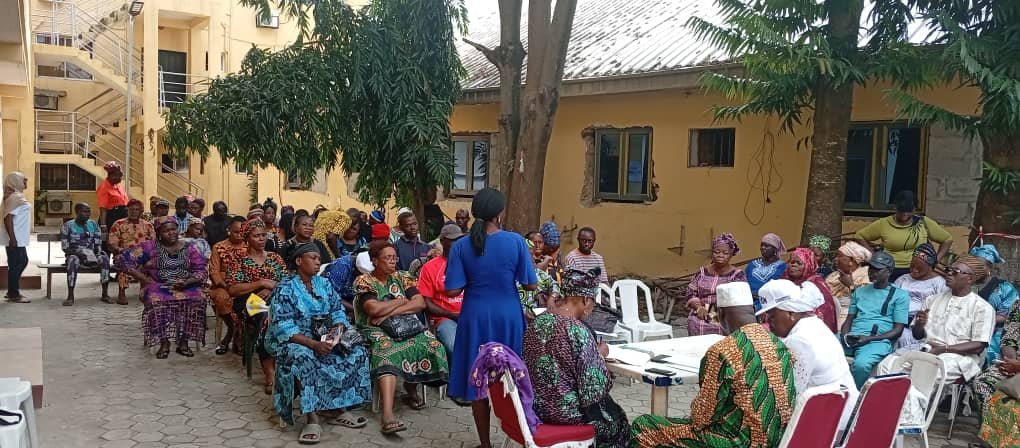
Gender-Based Violence (GBV) remains one of the most widespread human rights violations, affecting millions of women and girls every day. Despite increasing awareness and legal protections, significant gaps still exist in prevention, reporting, access to quality support services, justice, and survivor-centered care. Many survivors continue to suffer in silence due to stigma, fear, limited information, and inadequate community response systems.
At the Grassroot People and Gender Development Center (GRADE), we believe that closing these gaps requires collective action. Every woman and girl deserves to live free from violence, discrimination, and fear.
Our Closing GBV Gaps programme works with communities, schools, traditional and religious leaders, civil society organizations, and government institutions to prevent violence before it occurs and to strengthen support for survivors. We promote gender equality, challenge harmful social norms, and encourage communities to become active partners in protecting the rights and dignity of women and girls.
Through this programme, GRADE:
- Raises awareness on Gender-Based Violence and harmful practices.
- Builds the capacity of community leaders, teachers, service providers, and youth to prevent and respond to GBV.
- Strengthens referral pathways so survivors can access healthcare, psychosocial support, legal aid, and protection services.
- Promotes positive masculinity and engages men and boys as allies in preventing violence.
- Supports women and girls with knowledge, confidence, and leadership skills to speak up and seek help.
- Advocates for stronger policies, accountability, and community-based protection mechanisms.
Closing GBV gaps means ensuring that no survivor is left behind. It means creating communities where women and girls are safe in their homes, schools, workplaces, and public spaces. It means transforming attitudes, strengthening systems, and empowering everyone to play a role in ending violence.
Together, we can build communities where dignity is protected, equality is promoted, and every woman and girl can thrive free from fear.
Promoting Decent Jobs Through Capacity Building for Female Public Transport Drivers
Economic empowerment is essential to achieving gender equality and reducing poverty. However, many women working in the informal transport sector face significant challenges, including limited access to professional training, workplace discrimination, unsafe working conditions, financial exclusion, and inadequate knowledge of road safety regulations.
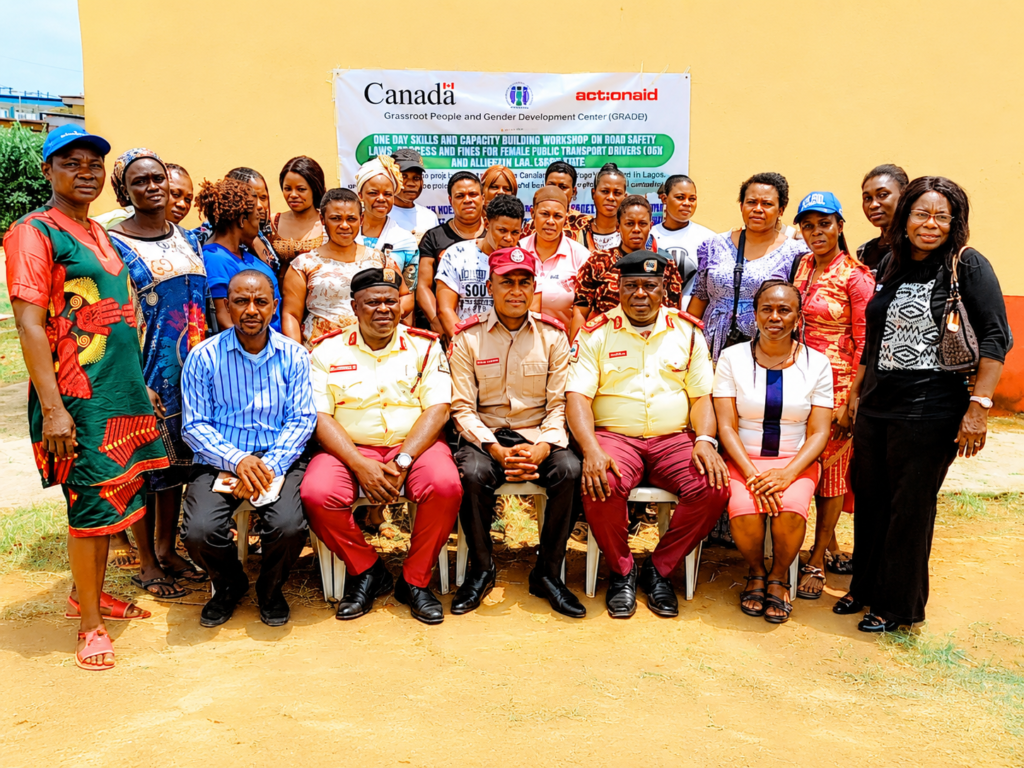
The Grassroot People and Gender Development Center (GRADE) is committed to promoting decent work opportunities by strengthening the capacity of female public transport drivers, including women operating commercial tricycles (Keke Napep). Through targeted training and support, we equip women with the knowledge, skills, and confidence needed to succeed in a traditionally male-dominated profession.
Our programme focuses on improving road safety awareness, defensive driving practices, customer service, financial literacy, business management, occupational health and safety, conflict resolution, and leadership development. We also provide education on gender rights, workplace protection, and strategies for preventing gender-based violence and harassment in the transport sector.
By working closely with transport unions, government agencies, road safety authorities, and community stakeholders, GRADE promotes safer roads, professional standards, and equal opportunities for women in public transportation.
This initiative not only enhances the income and livelihoods of female drivers but also contributes to safer communities, increased economic participation, and the creation of a more inclusive and equitable transport sector.
At GRADE, we believe that when women are empowered with skills, supported with opportunities, and protected from discrimination, they can thrive, contribute meaningfully to economic development, and inspire other women to pursue dignified and sustainable livelihoods.
What Ties It Together
Across health outreaches, savings circles, leadership trainings, and advocacy campaigns, one thread runs through everything: GRADE does not arrive with solutions — it builds them with communities. Every project starts by listening — through focus group discussions, community engagement, and partnership — before a single training is designed or a single contribution is collected.
Twelve years in, that approach has produced a track record we’re proud of, but the deeper story is in the individual outcomes: a girl who has learned to say no, a grandmother whose blood pressure was caught in time, a mother buying her family’s first full bag of rice.
Gender equality, at the grassroots, looks like all of these things at once.
Leave a Reply