
The Environmental Bees Club is Grassroot People and Gender Development Center’s (GRADE) school-based environmental education programme that inspires children and young people to become champions of environmental conservation, climate action, and sustainable living.
The club was established in response to the growing environmental challenges affecting communities, including poor waste management, pollution, climate change, flooding, and declining biodiversity. Recognizing that children and young people have the power to influence positive environmental behaviours, GRADE created the Environmental Bees Club to provide practical environmental education and encourage lifelong stewardship of the planet.
Just as bees play a vital role in sustaining ecosystems through pollination, members of the Environmental Bees Club serve as ambassadors who promote environmental responsibility within their schools, homes, and communities.
Background
Nigeria continues to face increasing environmental challenges, particularly in urban communities where improper waste disposal, plastic pollution, flooding, and environmental degradation threaten public health and livelihoods. Climate change further worsens these challenges, disproportionately affecting women, children, and vulnerable populations.
Many children receive limited practical education on environmental conservation despite being future custodians of natural resources. Schools therefore provide an ideal platform to nurture environmentally responsible citizens from an early age.
To bridge this gap, GRADE established the Environmental Bees Club to promote environmental literacy, climate awareness, and sustainable behaviours through engaging, child-friendly activities.
Goal
To empower children and young people with the knowledge, skills, and values needed to protect the environment, promote climate resilience, and inspire sustainable action within their communities.
Objectives
The programme aims to:
- Increase environmental awareness among school children.
- Promote positive environmental behaviours and responsible citizenship.
- Encourage waste reduction, recycling, and proper waste management.
- Strengthen climate change knowledge and adaptation practices.
- Foster environmental leadership among children and young people.
- Encourage tree planting, biodiversity conservation, and protection of natural resources.
- Inspire community participation in environmental sustainability.
Programme Components
Environmental Education
Club members participate in interactive learning sessions covering:
- Climate change and its local impacts.
- Environmental conservation.
- Biodiversity and ecosystem protection.
- Waste management.
- Recycling and upcycling.
- Plastic pollution.
- Water conservation.
- Energy conservation.
- Sustainable living.
- Environmental health.
Sessions combine practical demonstrations with age-appropriate discussions to encourage critical thinking and action.
School Environmental Clubs
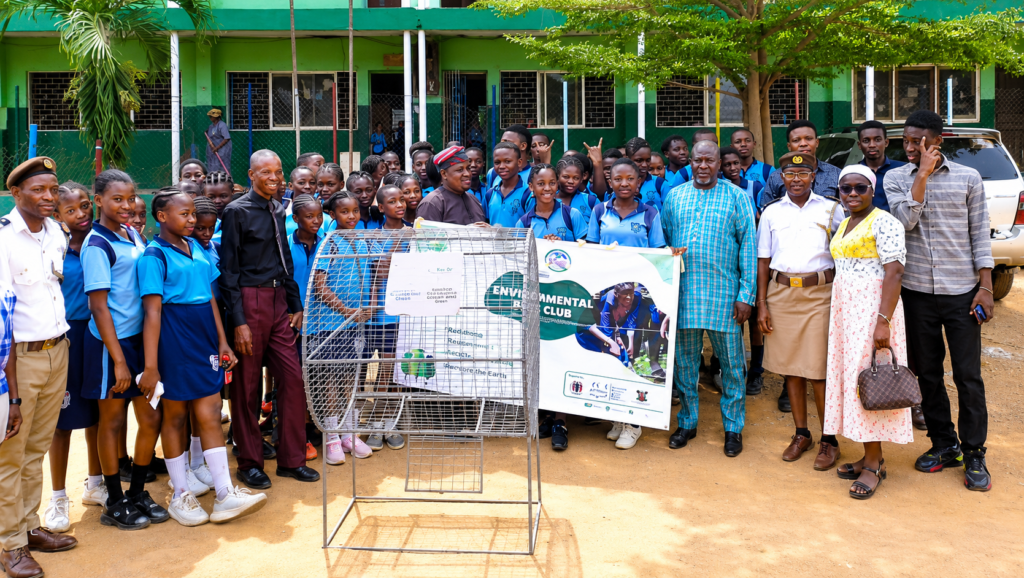
GRADE establishes Environmental Bees Clubs within schools, creating platforms where pupils and students meet regularly to learn, plan environmental activities, and serve as ambassadors for sustainability.
Club members are encouraged to:
- Promote environmental responsibility among peers.
- Organize awareness activities.
- Lead environmental campaigns within their schools.
- Encourage responsible waste disposal.
- Participate in environmental projects.
To date, GRADE has successfully established Environmental Bees Clubs in five schools, creating a network of young environmental advocates.
Tree Planting Campaigns
Tree planting serves as a practical learning experience that teaches students about biodiversity, climate resilience, and ecosystem restoration.
Activities include:
- Tree planting exercises.
- Tree care and maintenance.
- School greening initiatives.
- Environmental stewardship campaigns.
These activities help students understand the importance of protecting green spaces while contributing to healthier school environments.
Waste Management and Recycling
Students are introduced to practical waste management strategies, including:
- Waste segregation.
- Recycling.
- Reuse and upcycling.
- Plastic waste reduction.
- Community clean-up exercises.
The programme encourages learners to view waste as a resource while promoting environmentally responsible habits at school and at home.
Climate Action Education
Children learn how climate change affects their daily lives and how simple actions can contribute to climate resilience.
Topics include:
- Causes of climate change.
- Flood prevention.
- Sustainable consumption.
- Water conservation.
- Environmental responsibility.
- Community climate action.
Students are encouraged to become climate ambassadors who inspire positive environmental behaviour among their families and peers.
Community Environmental Campaigns
Environmental Bees Club members participate in community awareness activities that promote:
- Proper waste disposal.
- Community sanitation.
- Environmental cleanliness.
- Tree planting.
- Climate awareness.
- Community environmental responsibility.
These campaigns strengthen the connection between schools and their surrounding communities.
Target Beneficiaries
The programme serves:
- Primary school pupils.
- Secondary school students.
- Teachers.
- School administrators.
- Parents and caregivers.
- Community members.
Implementation Approach
The Environmental Bees Club adopts an experiential learning approach that combines classroom education with practical environmental action.
Programme activities include:
- School clubs.
- Interactive workshops.
- Environmental games.
- Tree planting.
- Community clean-up campaigns.
- Recycling demonstrations.
- Environmental competitions.
- School awareness campaigns.
- Peer-to-peer learning.
This hands-on approach encourages children to develop lifelong habits that protect the environment.
Achievements
Since its inception, the Environmental Bees Club has:
- Established active clubs in five schools.
- Educated hundreds of pupils and students on environmental conservation and climate change.
- Organized tree planting activities that encouraged environmental stewardship.
- Increased awareness of recycling, waste management, and sustainable living among participating schools.
- Encouraged students to become environmental ambassadors within their homes and communities.
Impact
The programme has contributed to:
- Improved environmental knowledge among participating students.
- Increased adoption of environmentally friendly practices in schools.
- Greater awareness of climate change and its effects on communities.
- Improved waste management habits among club members.
- Increased student participation in environmental conservation activities.
- Stronger collaboration between schools, communities, and environmental stakeholders.
Many club members have become advocates for cleaner school environments, inspiring classmates and family members to adopt sustainable practices.
Partnerships
GRADE collaborates with:
- Schools and educational institutions.
- Community leaders.
- Environmental organizations.
- Local government authorities.
- Development partners.
- Volunteers and youth leaders.
These partnerships strengthen the reach and sustainability of environmental education initiatives.
Sustainability
To ensure long-term impact, GRADE:
- Supports schools to maintain active Environmental Bees Clubs.
- Trains teachers as club coordinators.
- Encourages student leadership and peer mentoring.
- Promotes school-led environmental projects.
- Builds partnerships for continued environmental education and action.
- Integrates environmental awareness into broader youth and community development programmes.
Looking Ahead
GRADE plans to expand the Environmental Bees Club to more schools across Lagos State and Nigeria, creating a generation of environmentally conscious young leaders. Future plans include establishing climate resilience projects, introducing school recycling hubs, promoting urban gardening, organizing annual environmental leadership camps, and strengthening partnerships with government agencies, environmental organizations, and private sector partners.
Through the Environmental Bees Club, GRADE is nurturing children who understand that protecting the environment is a shared responsibility. By equipping young people with knowledge, practical skills, and opportunities to lead, the programme is helping to build cleaner communities, stronger climate resilience, and a more sustainable future for generations to come.