7,000
Women Empowered
4,500
Girls Mentored
12+
Years of Impact
15+
Partners and Networks
Who We Are
About GraDe
Impacting the most Vulnerable
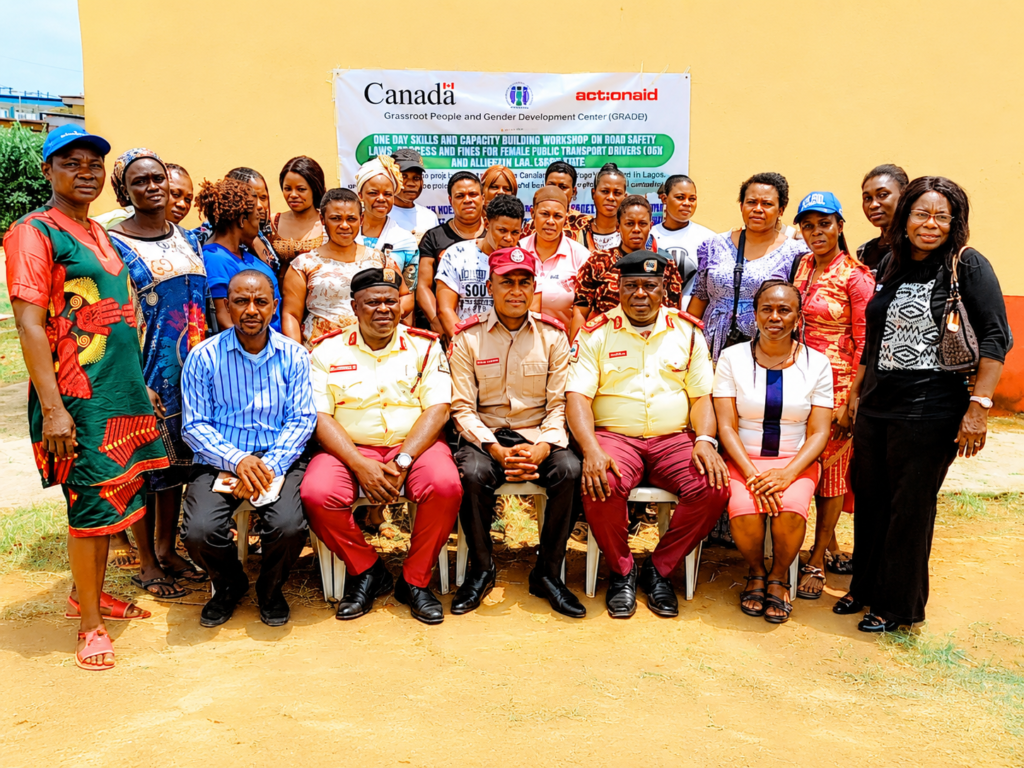
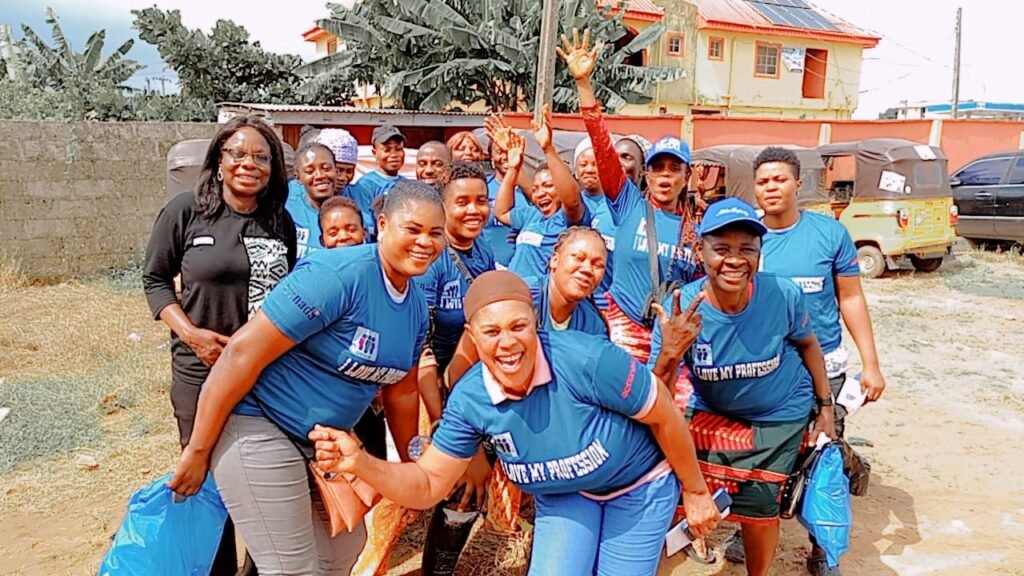
Grassroot People and Gender Development Center (GraDe) is a registered nonprofit organization (NPO) in Nigeria, founded in 2010 and registered with the Corporate Affairs Commission, Abuja. GraDe protects and promotes the wellbeing and rights of women, girls, youths, and vulnerable populations through community engagement, capacity building, and advocacy that drives transformative social change.
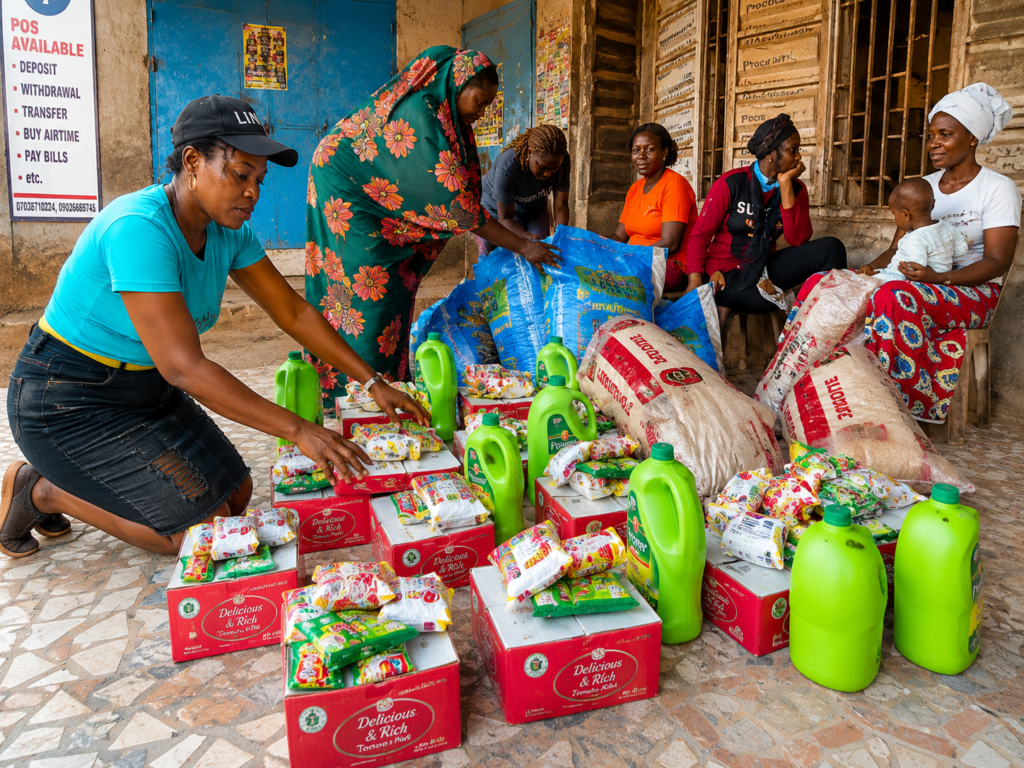
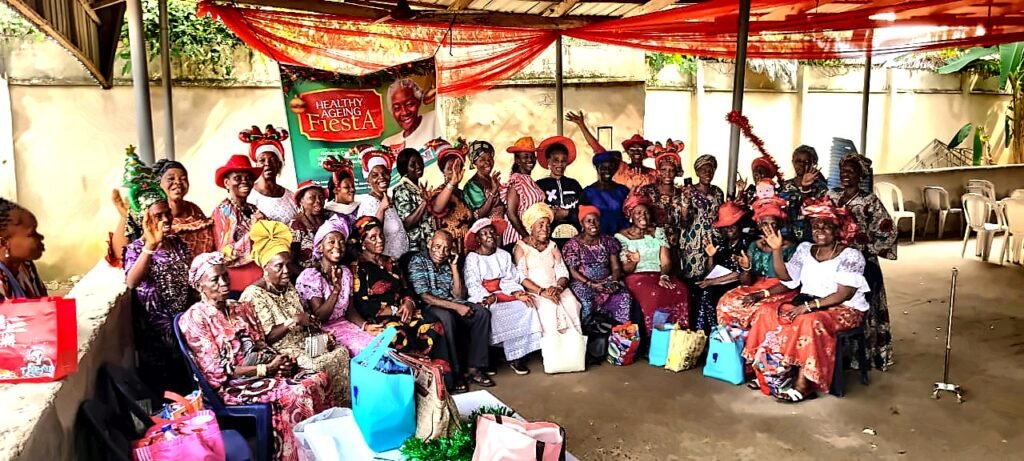
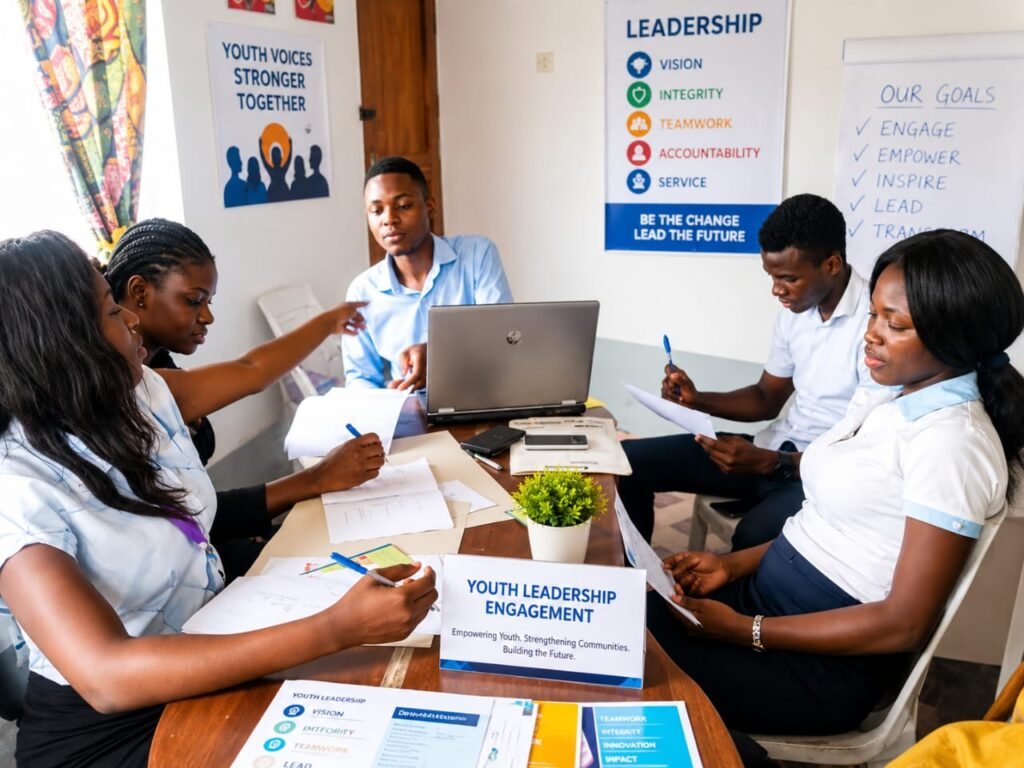
GraDe was founded to respond to persistent gender inequalities harmful social norms, and barriers that limit access to opportunity for vulnerable groups. The organization works directly with communities to drive lasting, people-led change amplifying overlooked voices and unlocking the potential of individuals and groups at the grassroots through awareness campaigns, capacity building, strategic advocacy, and participatory development.
Our Vision and Mission

Our Vision
A just, inclusive, and resilient society where women, girls, children, and vulnerable populations live free from discrimination, violence, and poverty, and have equal opportunities to thrive.

Our Mission
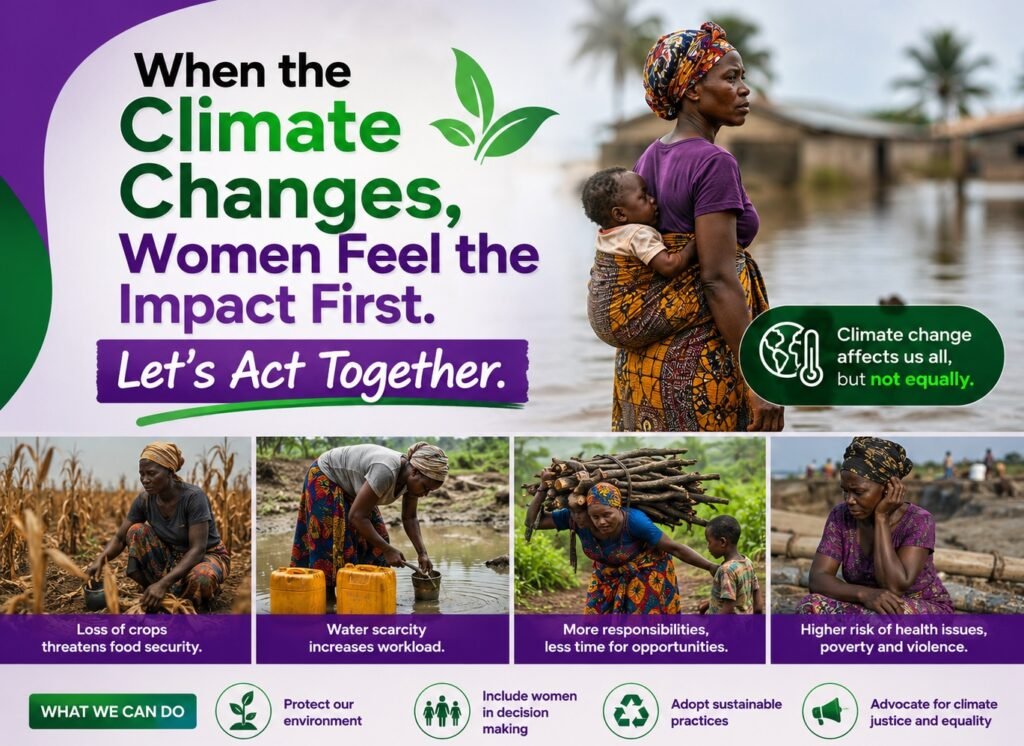
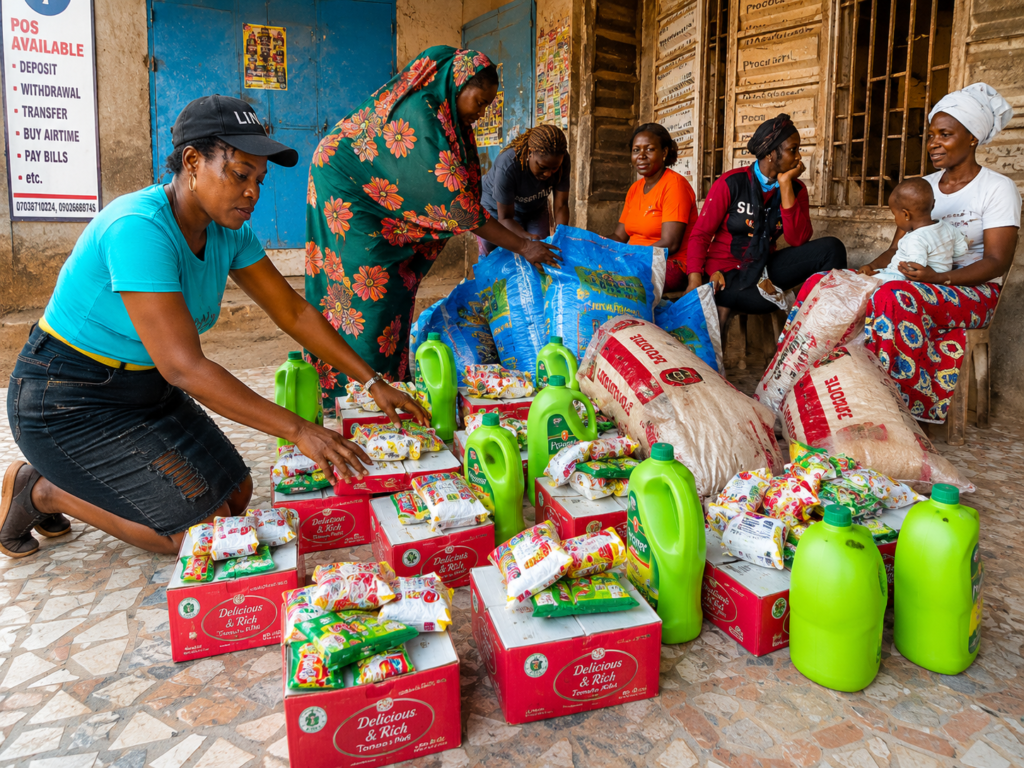
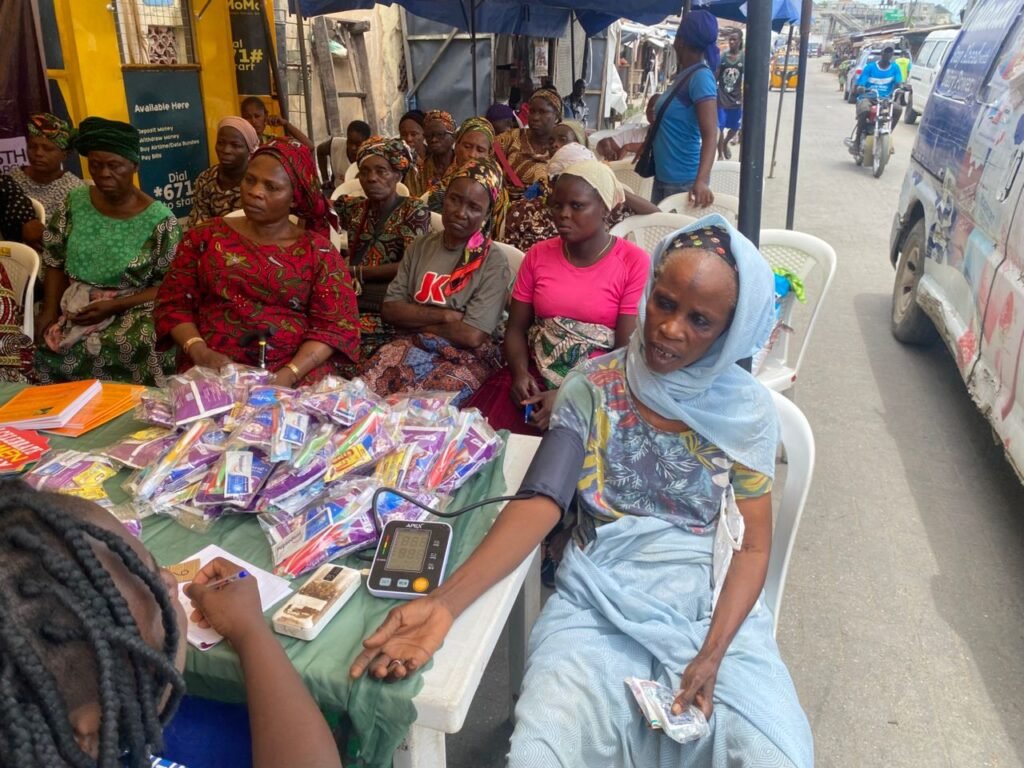
To advance gender equality and empower women and girls by promoting child protection, health and well-being, food security, climate action, leadership development, and community-driven solutions that improve lives and strengthen resilient communities
What We Do
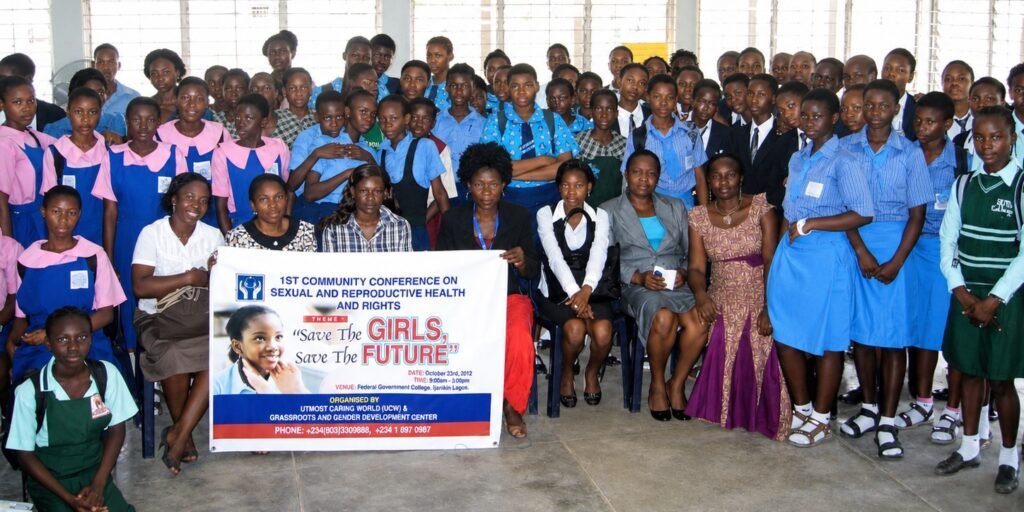
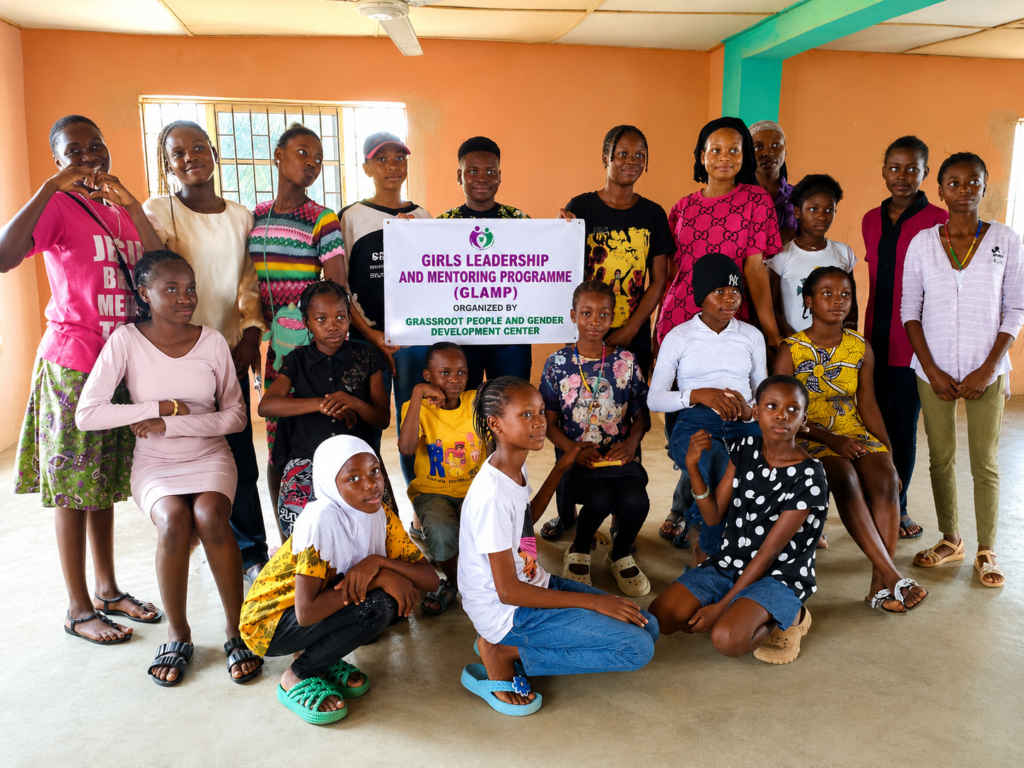
We reached the GIRLS first
We reached them before poverty stole their dreams. We reached them before harmful stereotypes defined their future.